
Attack of the Lists
When Book-Award Longlists Send You Scrambling

The Women’s Prize for Fiction announced this year’s longlist on March 4th. I consider longlist week the most dangerous week of the year, at least as far as my book budget is concerned. Previously known as the Orange Prize, the Women’s Prize historically highlights more titles that push my buttons than any other literary book prize. The award goes to books by women written in English across nations. Last year, they expanded to give a nonfiction award as well, and that longlist (released in February) has only increased the level of temptation.
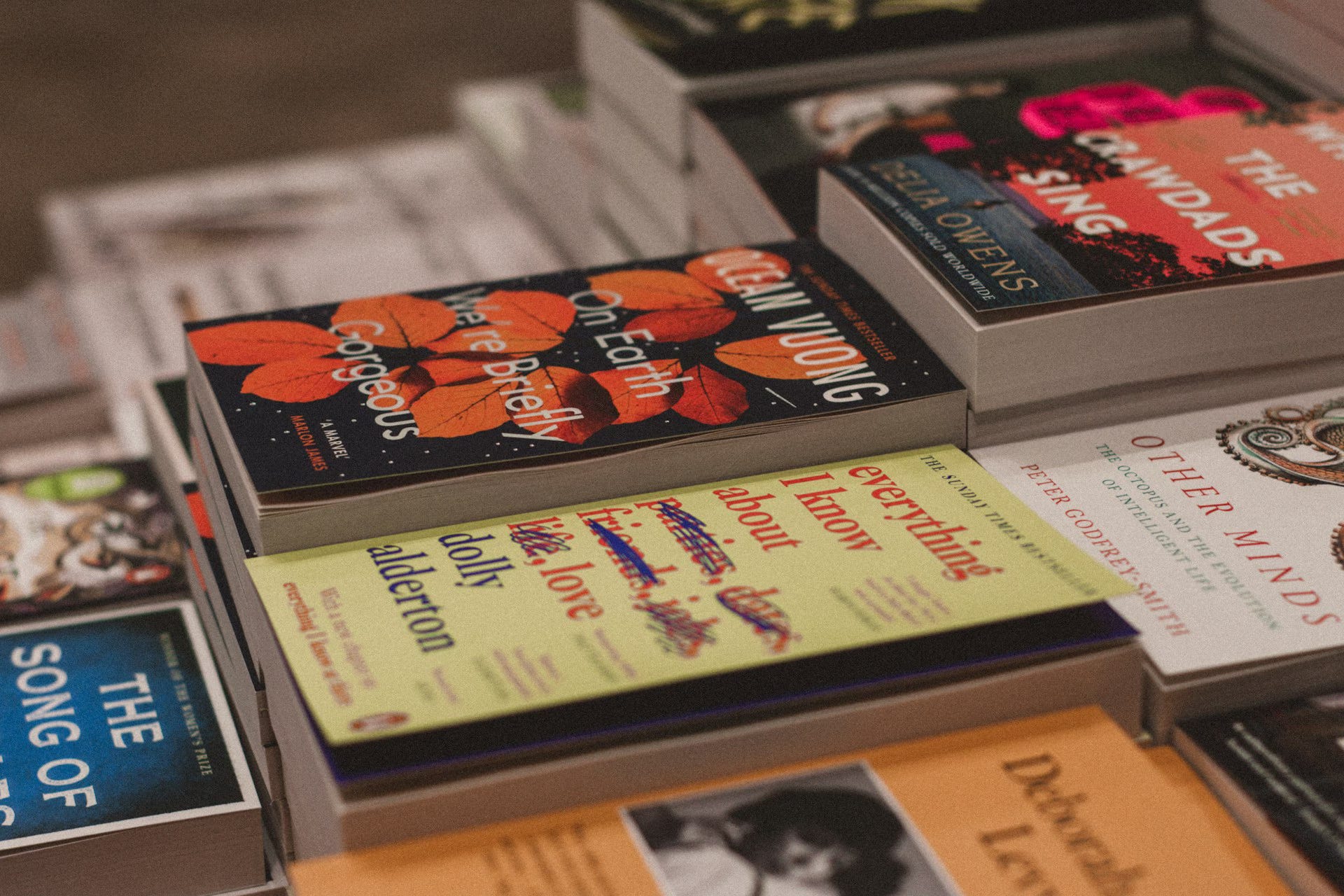
I don’t chase prize nominees when building my TBR pile. Although I take a look when various awards announce their lists, I typically find the highlighted works are either already on my radar or fail to excite me enough to add to my already crowded reading plans. This year I’m trying to really curb my book buying, in part because I own so many unread books, and also because I’m out of room for bookcases. But that pesky Women’s Prize isn’t making it easy.
I considered myself a reader long before I self-identified as anything else. Not because it predated other identities; obviously I was a baby, then a girl, a daughter, a granddaughter, all long before I learned to read. But it was the first state of being I chose for myself, the first activity I offered up when someone asked me what I liked to do. My instant response was read, followed closely by go to the library.
Borrowing books from the library had more to do with how many I could physically carry than any sort of recommendation system, but when we went to bookstores, I remember my mother carefully examining titles to see if they’d won an award—specifically a Newbery medal. I would browse the children’s shelves, reading the backs of books to find something that sounded good, and she would pick based on the shiny gold medallion on the front cover. And so, one by one, I took home copies of The Witch of Blackbird Pond, The Island of the Blue Dolphins, A Wrinkle in Time, and From the Mixed-Up Files of Mrs. Basil E. Frankweiler.
This was my introduction to the concept of book awards, and they stood me in good stead all through elementary school, when grabbing a Newbery winner remained a pretty sure-fire method for finding an absorbing read. They made for impressive book reports, too, which never hurt. But I’d be lying if I claimed my devotion to book awards continued unbroken through adulthood.
Literary book awards themselves have their ups and downs, but despite name changes and shifts in sponsorship, a few remain steady: the Booker Prize, the International Booker Prize, the National Book Awards, Pen America, and of course the aforementioned Women’s Prize. There are many others, of course, across genres and audiences, but these are the literary awards with the most drawn out announcement processes, including lists of nominated titles before the final awards are given.
(I should note here that I’m already aware of books nominated for genre awards in areas I represent—romance, women’s fiction, and SFF—because I’m keeping abreast of the market.)
Book awards depend on two major factors: the books released in a given year, and the judges making the call as to which will be included on their lists of nominees. There have been years where I felt the judges for a given prize were nowhere near in line with my reading tastes. Years where I scratched my head and wondered what on earth they were thinking. It happens. And for a while it happened so frequently that I stopped paying attention to book awards until they announced the final winners—and then I still didn’t read them.
To be fair, there were plenty of other books to read. But I enjoy reading broadly, and the busier I am, the more I appreciate reliable sources that bring great titles to my attention.
This year, when the Women’s Prize for Fiction announced their longlist, five of the sixteen titles were already on my TBR list—either noted down or on my wait list at the library. That left eleven books that were new to me, an exciting and dangerous proposition. I’ll admit I only skimmed the descriptions for now. That was enough to add two more to my TBR: Moderation by Elaine Castillo, and The Others by Sheena Kalayil. I also noted just how many of this year’s longlist come from smaller presses: nine.
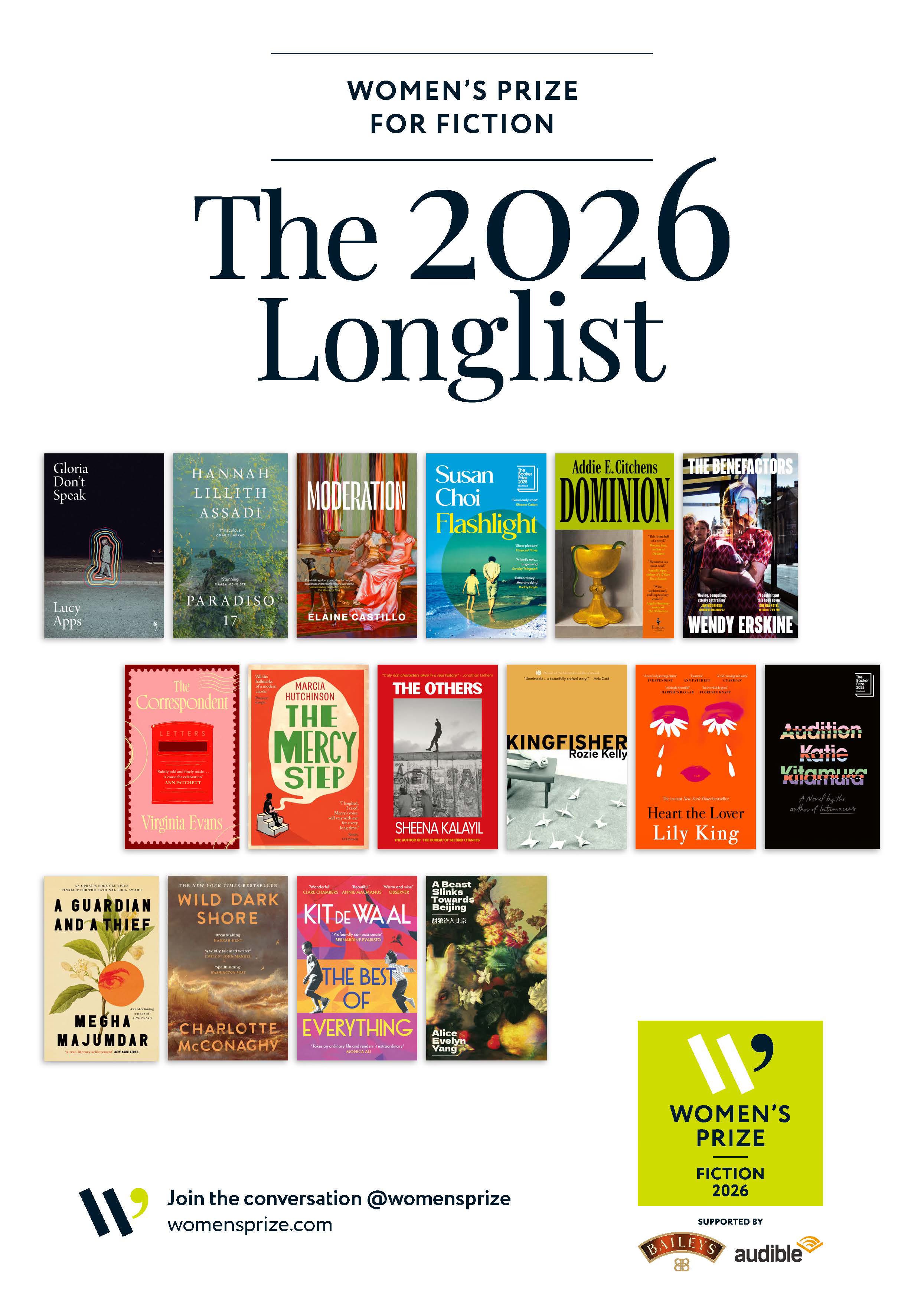
The list will get narrowed down to six on April 22nd. I hope to read at least a couple by then. Long gone are the days when I’d fool myself I could read them all—or even all of the ones I’m most excited to check out.
Last year, Sarah Jessica Parker served on the judges panel for the Booker Prize, and she spoke about the joy and also the pressures of reading so many books to help come up with the longlist. Even as a lifelong reader, I cannot imagine how she managed it around filming and her family. The flexibility of her career was, no doubt, helpful, but that’s still so much reading to do thoughtfully, at a level where you can discuss and justify your opinions on each work. But what a wonderful challenge for someone who adores books.
My work-related reading, by its very nature, means I typically read only as long as I’m engaged. I make judgement calls after a few pages or even a few paragraphs, then move on. When it comes to published books I read in my free time, I’m just as likely to put something down if it’s not holding my attention after a few chapters. Because there are always so many more books out there, books I’m excited to give a try. Books I want to love. And life is too short to read books that aren’t a good fit.
For whatever reason, the judges over at the Women’s Prize for Fiction read pretty consistently on my wave length. I don’t love everything they choose every year, but I enjoy enough that they feel like a good bet. Like a trusted friend whose recommendations almost always click.
Big book prizes help authors by boosting their visibility, offering cash prizes, and by celebrating their achievements. But they help readers by highlighting a handful of titles that are, arguably, some of the best of their type for the year. If you can home in on the prizes that agree with your taste, take advantage of their archives listing previous years’ nominees. You might just discover a few new favorites.
Do you have a favorite book prize that feeds your TBR list? How are you most likely to get reading recommendations/ideas? I’d love to hear where you find your books.
That’s all for today. We’re mid-heat wave at the moment, so I’m going to flip on the ceiling fans while it’s cool enough and go do some work reading. Weather across the U.S. is causing all sorts of chaos, so wishing you safety and ease of travel if you must go out, wherever you live. Until the next one!🥰
I tend to like reading genre fiction more than anything literary, but I, too, measure time by what I read at each stage of my life. From age nine or ten onward, I frequently gravitated to Newbery Award winners and finalists, having read and enjoyed all the books you mentioned above. Often many times over (especially The Witch of Blackbird Pond and Island of the Blue Dolphins).
Many of my favorite childhood and teenage memories involve being dropped off at the public library for a couple of hours while my mom went grocery shopping. We lived in a rural area, an hour from town, so this was my only chance to get different books than my school library held. The maximum number I was allowed was six, so I chose carefully. When I was about twelve, I was shown the YA section by my favorite librarian, and I decided to read the entire section alphabetically. If I was stuck or down to a choice between one book and another, being a Newbery book was often the tie-breaker.
When I got older and mostly read fantasy, if a book had a positive Locus review, that was a decider. Older still, it was Hugo and Nebula award winners. As an author, when my book is a finalist for IndieReader Discovery or NextGeneration Indie Book awards, that means a lot.
I’ll admit that I don’t usually add to my TBR pile from the prize lists. Mostly, I get recommendations from friends and other readers, including here on Substack. I’m already overwhelmed by my pile—I just can’t read fast enough!