
Writing Limbo
When Words Flow but Meaning Won’t

Writer’s block comes in varying shapes and sizes. There’s the inability to start, to get an idea to gel, where you sit at the keyboard and stare blankly at a very empty screen. Or maybe you’ve started and stalled, no idea what comes next or why you’re stuck. It might have been a wrong turn thirty pages back, or a poorly planned out character motivation, or any of a dozen things, but you cannot move forward.

And then there’s the other kind. Where you write and write and the paragraphs form, the pages fill, but you still aren’t saying anything real. You can’t find the point. Nothing connects. Deep down, underneath it all, you suspect there’s a kernel of a thought that will pull it all together, something to string what appears a list of rubbish into a brilliant and cohesive piece. But damned if you have any clue what it is.
I’m currently blessed with the second variety. Have been for two weeks. I’m writing, on and off, day by day. Several thousand words, give or take. Two partial documents got deleted. Two more are sitting on my desktop, completely different, saved but not titled beyond a bit of gobbledygook, in no way ready for the light of day. I know what I want them to look like. Mostly. The topics float vaguely in my brain, but refuse to solidify into something intelligent. And here I sit, in writing limbo.
“I write entirely to find out what I’m thinking, what I’m looking at, what I see and what it means. What I want and what I fear.”
Joan Didion, from “Why I Write,” The New York Times, December 5, 1976
When I first started this Substack, the intention was to have a home for my own writing, more personal than not, a place to write about whatever I found important on a given day. Sometimes that would be publishing related—books, writing, industry tidbits—but I’d balance those with other thoughts. And yet, the more chaotic my life became, the easier it was to stick to writing about writing. Craft topics abound, are always appreciated, and after more than twenty years in publishing, I can discuss them on command. Likewise all the writing-adjacent topics, from the submissions process to the decline of reading.
Other thoughts are not so clear or simple. Writing about them takes deep thought and more focused work. This, of course, is the appeal but also the hurdle.
We’re living in a time when it is more important than ever to participate in the national dialogue. You’re probably hearing this frequently, that to remain silent is to remain complicit. But I also understand that full hearts and heads swimming with emotion can make it difficult to find clarity when you come to the page. Personally, I want to convey my anger, not just bleed it straight into my writing. Active rage never produces work I’m proud of or consider representative of my true thoughts and conviction.
I’m not saying I want to make this a political newsletter, because I definitely do not. But, like many, I’m feeling angry and helpless and frustrated over the ongoing onslaught on our democracy here in the United States, and certainly rage at the violence in Minnesota and so many other places, both here and internationally. Add in concerns about the economy and global warming and one or two more personal problems and suddenly it’s much more difficult to sift through my thoughts. Not because I’m writing about all of it, but because all of it weighs on my mind and overwhelms me. Whatever I am writing starts to feel less important or timely. Doubt creeps in and begins to heckle. Or I find myself veering off on tangents that have no relevance. Emotion clouds meaning.
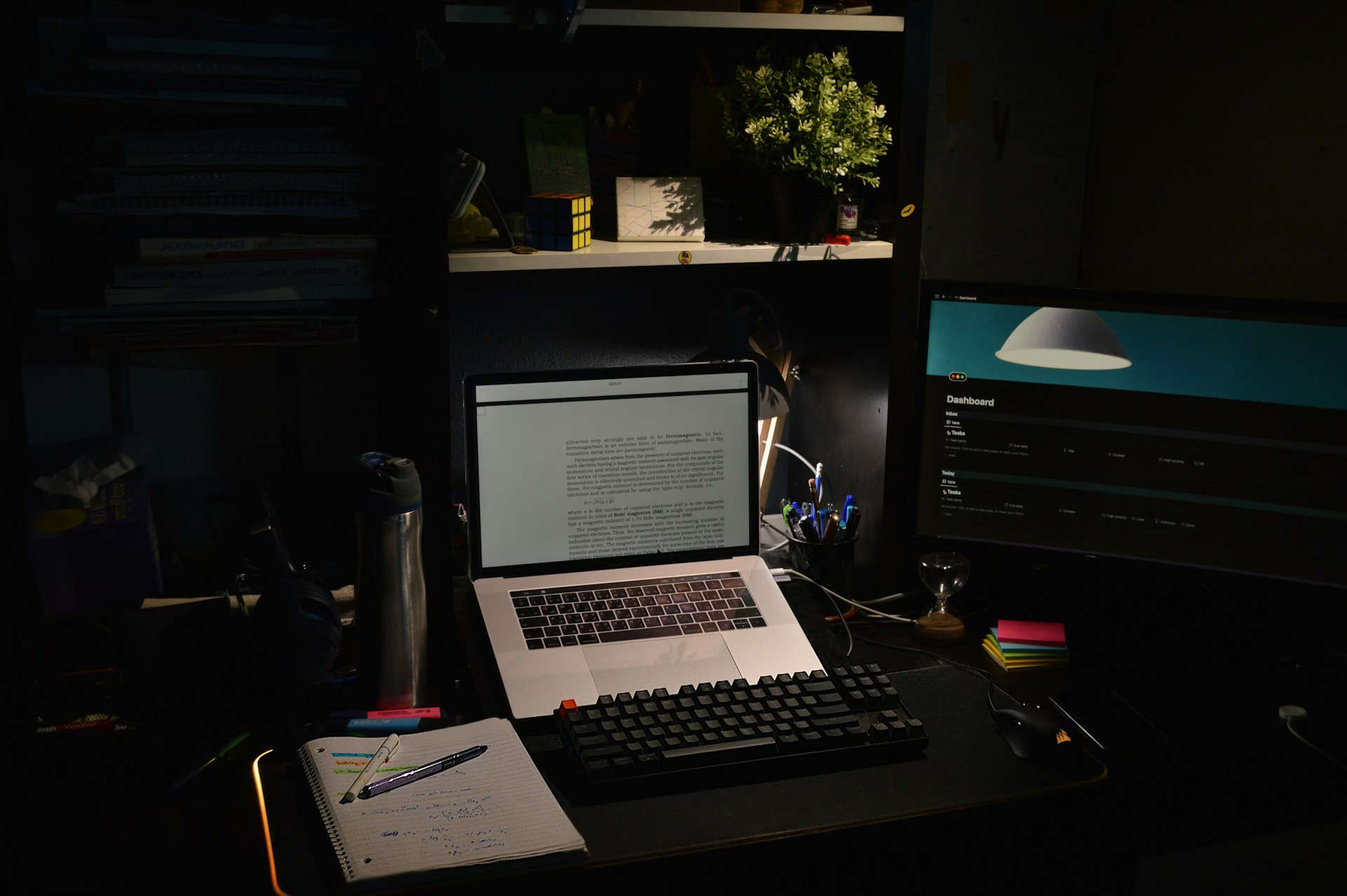
So, I give in. I let all of the words out onto the screen, fill the blank document, and if I spy the slightest potential beneath the outrage and venom, I save and set it aside. Highly charged emotions aren’t sustainable. Eventually they die down, if only until the next catalyst, and in that ebb and flow, I find time to rewrite, to revise, to edit.
Maybe in a few days, after I’ve let it all stew, taken a couple of rambling walks, and feel a little distance, I’ll go back and see what there is. It could be something for a newsletter or for another piece of writing entirely, or maybe just enough for a social media post. Or, it could be nothing more than a mind dump that drained a few ounces of fury out of my brain and provided an hour of stress relief. That’s okay, too. I’ll open a new document and start again.
I’ll be back with a craft essay for the editing series in a few days, but in the meantime, I’m curious about your own creative practice. How does the state of the world affect your output? Is writing a refuge or do you find the outside creeping in? Do you work through emotional periods? Have your ideas been taking detours into current affairs, or are you managing to maintain your intended trajectory? As important as it is to use our voices against tyranny, it’s just as vital to use our voices to share our experiences and tactics for continuing with our lives and our creative efforts.
That’s all for now. Thank you, as always, for joining me here and reading, and for any comments or thoughts you’d like to share. Wishing you safe spaces to write in, good books for solace and inspiration, and time with loved ones. Until next time.🥰
I feel this in the depths of my soul. I've been struggling so much, and the state of the world is very much affecting my ability to write. I'm emotionally healthier when I'm writing (or revising), but at the same time I can't get myself to the page. I needed this reminder, thank you.
This is such an important topic for authors, artists, and other creatives. Since we tend to be empathetic people, being flooded with the world's grief, rage, and hatred can feel overwhelming. It's also hard to write about this without sounding trite, but I think the best refuges are within art and community. Having networks of other creatives who understand our struggles—both in our work and in the world—is how we lift each other up. ❤️